

 Phone
 Send Email
 whatsapp
 Facebook



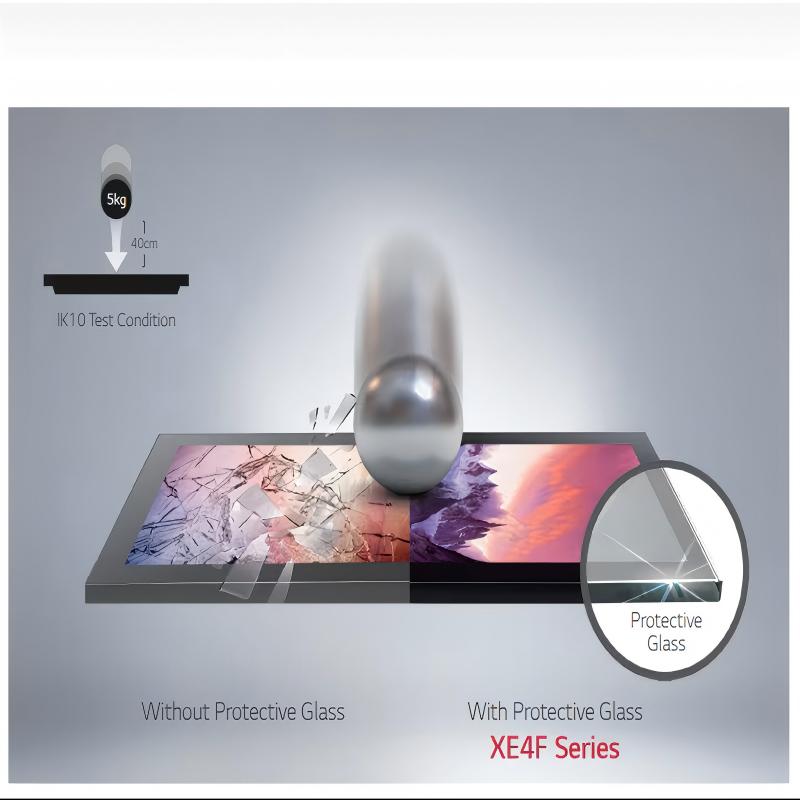
Touch Control Glass Panels
Start with the Glass
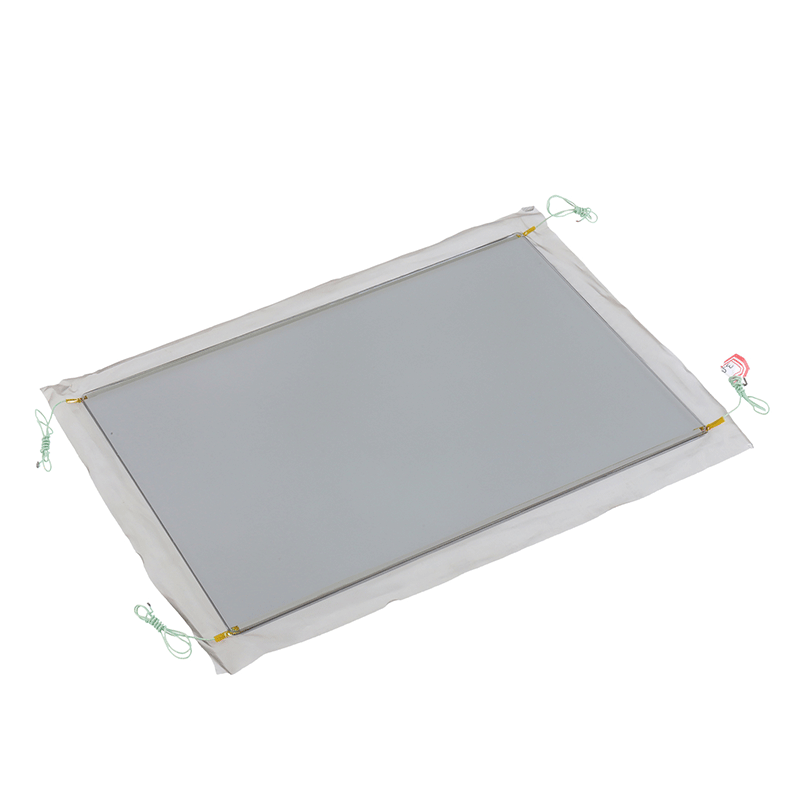
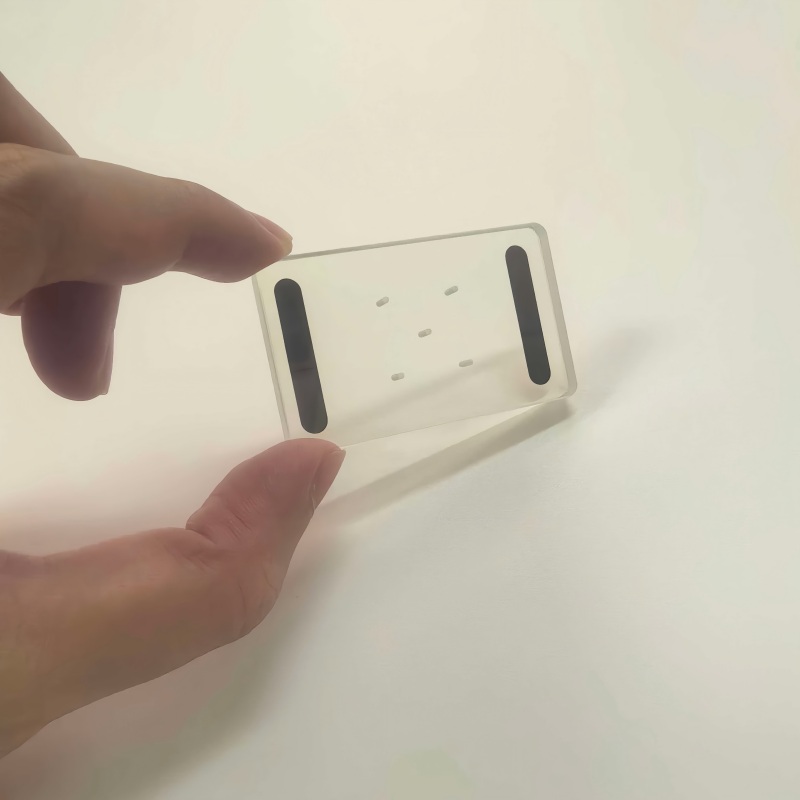
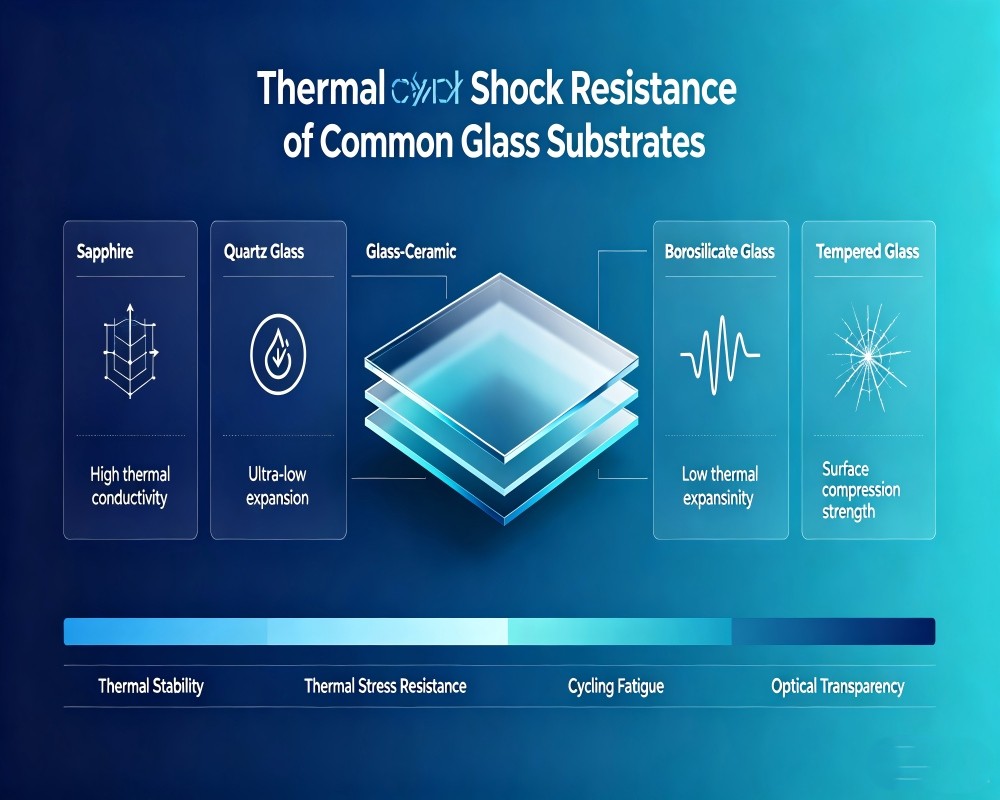
Chemically strengthened glass suits thin Touch panels, because it raises surface strength without the optical distortion that tempering can introduce. Thermally tempered glass is the better fit when the panel has to absorb heavier mechanical stress. For appliances that run hot, check the glass composition and its thermal behavior before the design is locked.
2. Printing and Surface Treatment
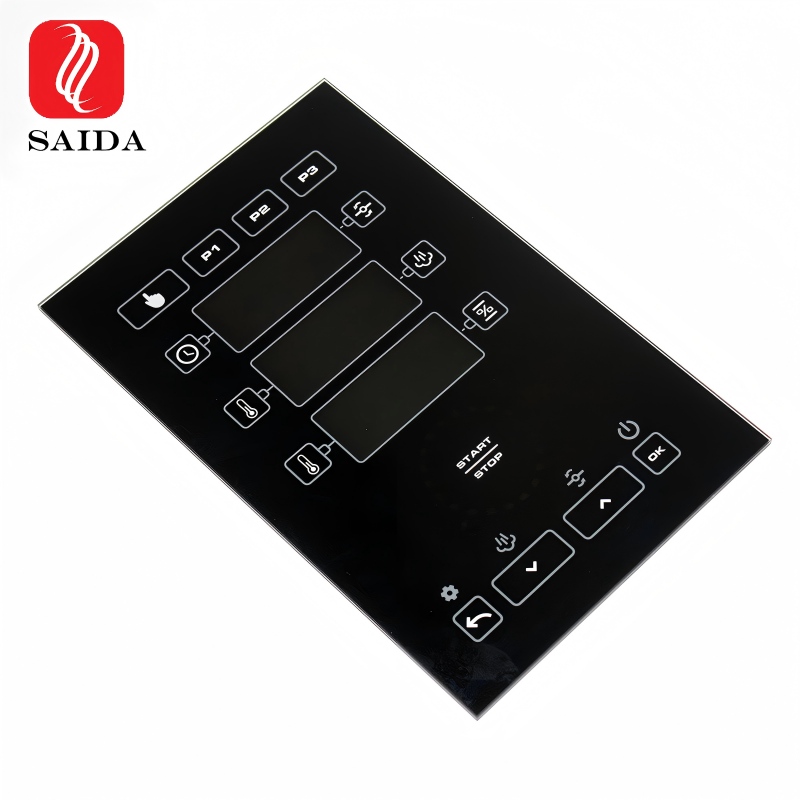
Screen printing is commonly used for consistent colors, borders, icons, and logos in volume production.
Surface treatments should be selected according to the viewing and operating conditions.
Common Glass Processing Options
| Process | Main Purpose | Typical Applications |
| Chemical strengthening | Improve surface strength and resistance to damage | Thin touch panels, smart switches |
| Thermal tempering | Improve mechanical strength and thermal-stress resistance | Suitable appliance panels and industrial interfaces |
| Screen printing | Apply fixed colors, borders, icons, and logos | Smart switches, appliance control panels |
| Digital printing | Support flexible graphics and customized designs | Low-volume or multi-design projects |
| Reduce visible fingerprints and improve ease of cleaning | Frequently touched control panels | |
| AG treatment | Diffuse reflected light and reduce glare | Industrial interfaces, bright environments |
| AR coating | Reduce reflections and improve viewing clarity | Display cover glass and touch displays |
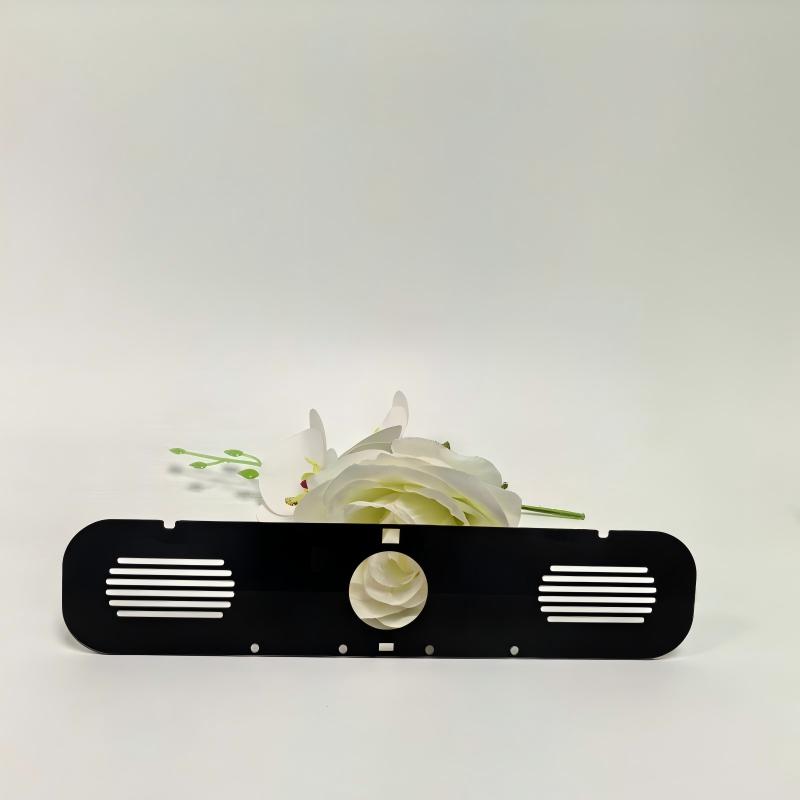
| CNC machining | Produce precise contours, holes, and edge profiles | Custom-shaped panels and integrated interfaces |
3. Processing Recommendations by Application
Different products place different demands on glass panels. The recommended process combination should reflect actual operating conditions rather than appearance alone.
| Application | Recommended Processing | Key Considerations |
| Smart switches and home automation panels | Chemical strengthening, screen printing, optional AF coating | Slim design, clear icons, frequent touch |
| Kitchen appliances | Application-appropriate glass, printing, suitable strengthening | Operating temperature, cleaning, impact resistance |
| Industrial control panels | Suitable strengthening, CNC machining, optional AG treatment | Dimensional accuracy, edge quality, visibility |
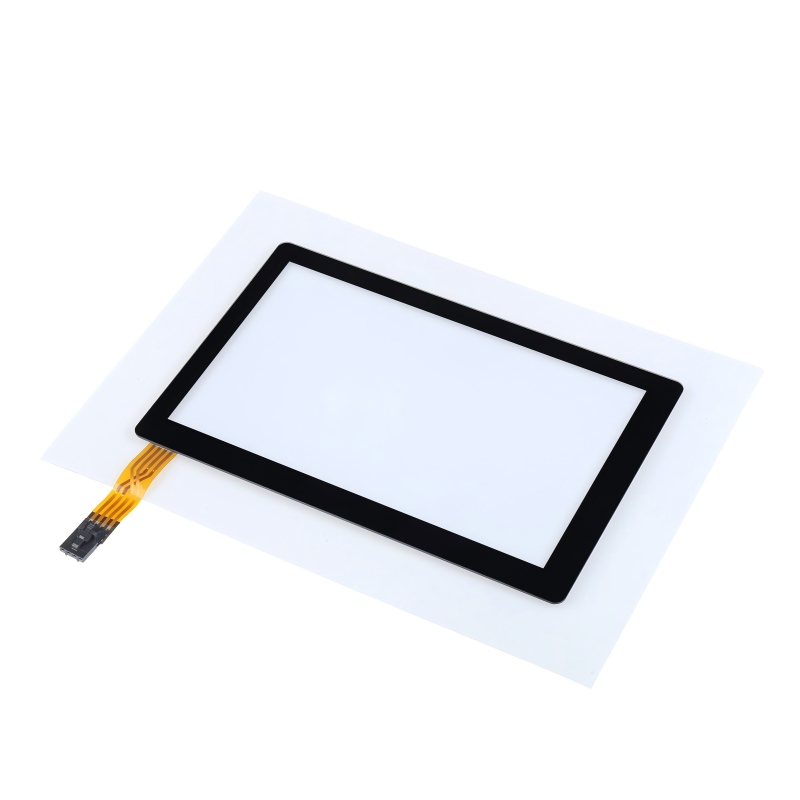
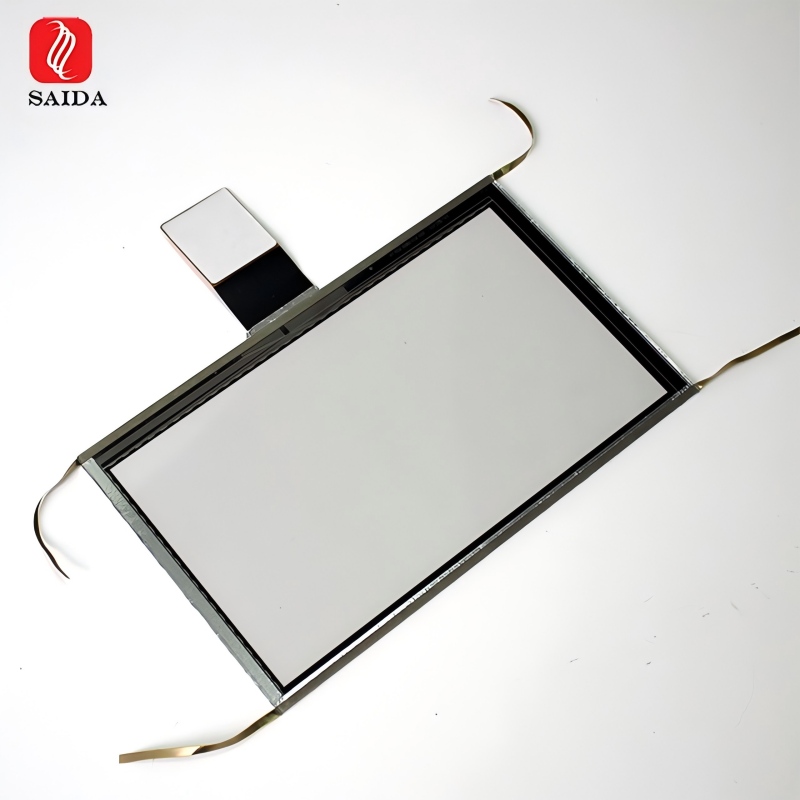
| Display and touch interfaces | Optical-quality glass, precision machining, optional AR coating and bonding | Transparency, reflections, bonding compatibility |
| Smart thermostats and HVAC controls | Customized glass, printed graphics, optional AF or AG treatment | Indoor lighting, interface design, ease of cleaning |
These recommendations are general guidelines. The final specification should be confirmed against the glass type, thickness, product structure, and relevant performance tests. For example, ordinary chemically strengthened or thermally tempered glass should not automatically be assumed suitable for direct exposure to high cooktop temperatures.
4. Custom Glass Processing for OEM Projects
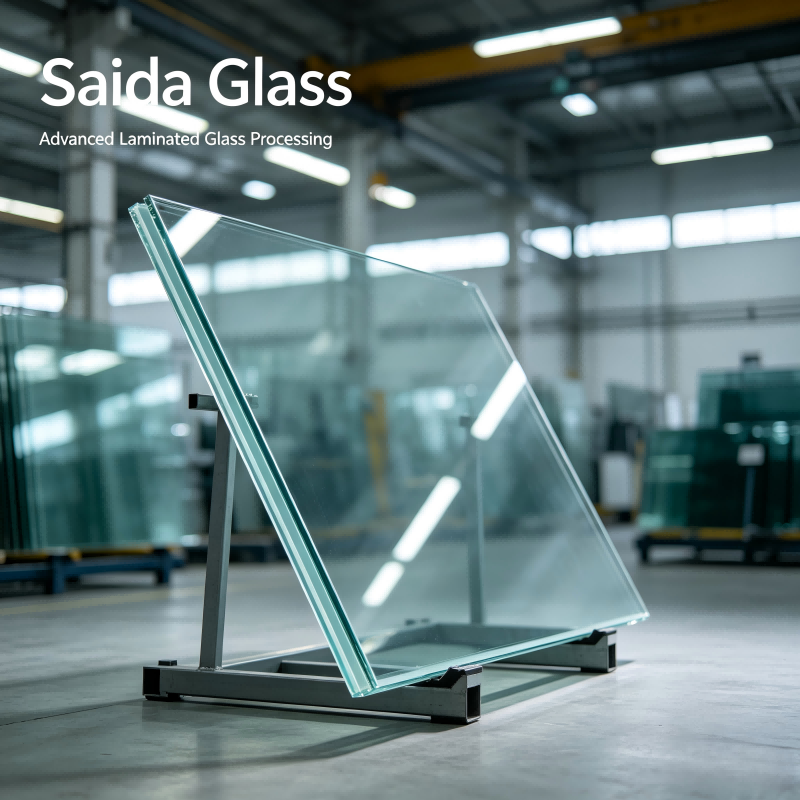
SAIDA provides customized glass processing based on customer drawings and application requirements. Depending on the project, the process may include precision cutting, CNC machining, printing, strengthening, and functional surface treatments.
Early communication between the glass supplier and the product engineering team helps identify processing constraints, clarify technical requirements, and establish a practical specification before mass production.
Looking for a touch control glass panel for your project? Contact SAIDA to discuss your drawings, material requirements, and application-specific processing needs.